
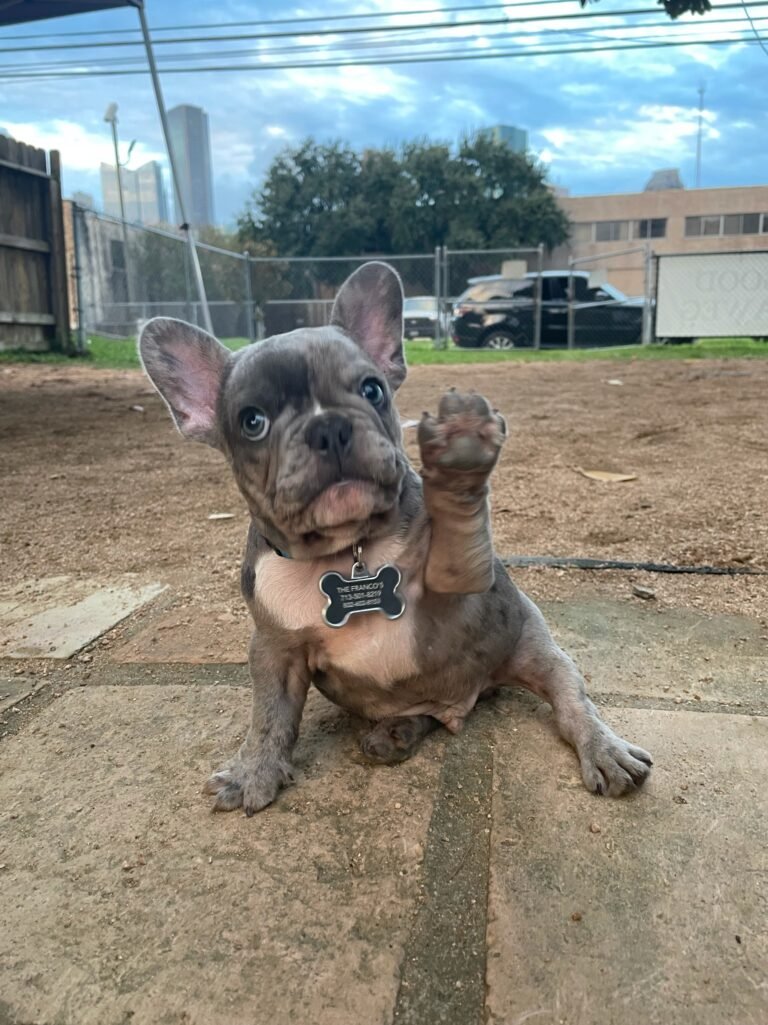
In-Home Dog Training in Houston
Work on household manners where you need them every day. Good Daweg's in-home dog training brings coaching into your house, connecting lessons to the rooms, doorways and routines your dog already knows. You learn alongside your dog so you can keep using the skills between appointments.
This format suits owners who want direct coaching on the routines that make up daily life: greetings at the door, mealtime manners, settling in the evening, or moving calmly from room to room. Tell us what's happening now and what you'd like it to look like instead, and we can talk about whether in-home lessons are the right starting point for your dog.
How Home Routines Shape Dog Training
In shortYour layout and daily rhythm shape a behavior; training at home addresses the version you live with.
A description like "my dog jumps on people" can mean different things depending on where and when it happens. Does it start the moment someone opens the door, or only once a guest walks in? Does your dog settle once the excitement passes, or stay keyed up the whole visit? The layout and rhythm of your home shape the answer.
The same is true for settling down. A dog might rest easily while the house is quiet but struggle the moment dinner is being made or the kids get home from school. Training that happens inside your actual routine addresses the version of the behavior you live with, not a general approximation of it.
Working in your home also lets us see how you naturally interact with your dog: where you stand, what you say, and what happens right after a cue.

Training Goals for Household Manners
In shortStart with what affects your day most: greetings, settling, attention, mealtimes and doorways.
Trying to fix everything about your dog's behavior at once usually makes a plan harder to follow, not easier. It helps to start with the situations that affect your day the most.
Common goals for in-home sessions include:
- A calmer greeting at the door. Teaching your dog what to do instead of jumping, rather than only what not to do.
- Settling during household activity. Helping your dog relax on a mat or bed while you cook, work, or have guests over.
- Attention and name response indoors. A foundation for asking your dog to check in with you before things escalate.
- Manners around food and mealtimes. Waiting politely instead of begging or crowding the table.
- Moving through doorways and stairs politely. Useful when carrying items or managing more than one pet.
The location and the training goal are separate choices. Social comfort, obedience and behavior concerns can all affect life at home. For more on comfort around people and animals, see dog socialization training; discuss which setting fits your particular goal before booking.
Preparing for an In-Home Dog Training Lesson
In shortShare history, goals and safety concerns, including bites or guarding; describe problems instead of staging them.
Before a visit, let us know your dog's training history, the behaviors you want to work on, and anything relevant to safety. If your dog has bitten someone, guards food or objects, or reacts strongly to unfamiliar people, please mention it ahead of time. It may point toward related help on our aggressive dog training or resource guarding pages.
Think about the space you will use and how people normally move through it. Practical details worth discussing include:
- Who in the household will be present and taking part in the lesson.
- Where your dog usually eats, sleeps, and spends most of their time.
- Any spaces or items you'd rather keep off-limits during the visit.
There's no need to stage a difficult moment just to show us a problem. Describing what usually happens is more useful than trying to recreate it live.
Using Your Dog’s New Skills in Daily Life
In shortNote the specifics after a session and give everyone at home the same explanation and words.
A cue that goes smoothly during a lesson can get shaky once daily life changes the picture. Carrying groceries, talking on the phone, or giving a cue from a different spot can all change what your dog is responding to.
After a session, it helps to notice specifics rather than judging the whole day as a win or a loss. What cue did you use, and what did your dog do right before and after? Those details make it easier to see what needs more practice and what's already solid.
Everyone who handles your dog benefits from the same explanation, not just the command word. If one person says "down" to mean lie down and another uses it to mean get off the couch, your dog is left guessing. Talk with us about bringing other household members into the routine so the training holds up no matter who's home.

Preparing Your Houston Home for a New Dog
In shortCheck rental pet policies, plan your bathroom route and keep doors and gates secured while skills develop.
If you are moving into a rental with your dog, Houston BARC publishes a pet-friendly housing directory. Confirm current pet policies directly with the property before relying on a listing. The building's layout matters for training too: reaching a shared corridor or elevator requires a different daily arrangement from opening a door into a private yard.
Walk through the route you will take for bathroom breaks and ordinary outings. Where will you put on the leash? Can you pause before entering a shared space? These details help connect indoor practice with leaving home. Keep doors, gates and household hazards secured while skills are developing; a training cue should not be your only safeguard against an escape.
In-Home Dog Training or Board & Train?
In shortIn-home keeps your dog home with you at every lesson; Board & Train involves a stay away.
The two formats differ in where your dog spends their time and who does the day-to-day work. In-home training keeps your dog living at home throughout, with you present for every lesson and directly involved in practice. Our Board & Train programs involve a stay in a home training environment away from your house, with daily training handled by the team, followed by owner involvement once your dog returns.
Consider the time you can put into practice and whether your dog is comfortable staying away from home. Day training and online dog training offer other formats to discuss. Request a consultation to compare your options before committing to a stay or lesson package.
In-Home Dog Training with Good Daweg
In shortPractical coaching in your own space, delivered as private lessons; ask about methods and equipment first.
In-home coaching gives you a place to ask practical questions as they arise. You can discuss where a resting spot should fit in the room, how to handle an arrival or which cue you have been using. The value is an explanation you can apply in that same space after the lesson.
Our balanced approach combines positive reinforcement with constructive training techniques suited to the individual dog, and e-collars are used when necessary. You're welcome to ask about the methods and equipment we'd use in your home before deciding whether in-home lessons are the right fit.
Private Lessons, Board & Train, and Owner Coaching
In-home sessions are delivered through our private lessons, offered as individual appointments or as 5-, 8-, or 12-lesson packages, with guidance on practicing between visits. Package and pricing details live on that page so you can compare options.
If a residential stay makes more sense for your household, our Board & Train programs are the place to look, including the current 2 Week program. We can talk through which format fits your dog and schedule before you commit to either one.
In-Home Training FAQs
Is in-home dog training better?
It depends on your goal. In-home lessons are a good fit when the goal is tied to routines and spaces inside your house, such as door greetings, mealtime manners, or settling during household activity, and when you want to be hands-on in every session. It isn't automatically the better choice for every dog or goal. We can compare in-home lessons with Board & Train or day training once we know more about your situation.
How can I get guidance for training my dog at home?
Start by describing one or two situations you'd like to change and who usually handles your dog. In-home lessons let you ask questions in the actual space where the behavior happens, rather than translating advice from elsewhere. Reach out to talk through scheduling before a visit is arranged.
How much does in-home dog training cost?
In-home lessons are delivered as private lesson appointments, where individual sessions and 5-, 8-, and 12-lesson packages are listed with published pricing on our private lessons page. Costs vary depending on how many lessons make sense for your goals, so it's worth reviewing the packages with us.
Let’s Talk About In-Home Dog Training
Start with the household routine you most want to improve. Tell us what happens now and who normally handles your dog, and we can discuss a suitable starting point. You can compare formats before choosing a package.
Call (281) 900-2572 or contact Good Daweg to talk about in-home dog training. We serve Houston, The Woodlands, Katy, Spring, and The Heights.