
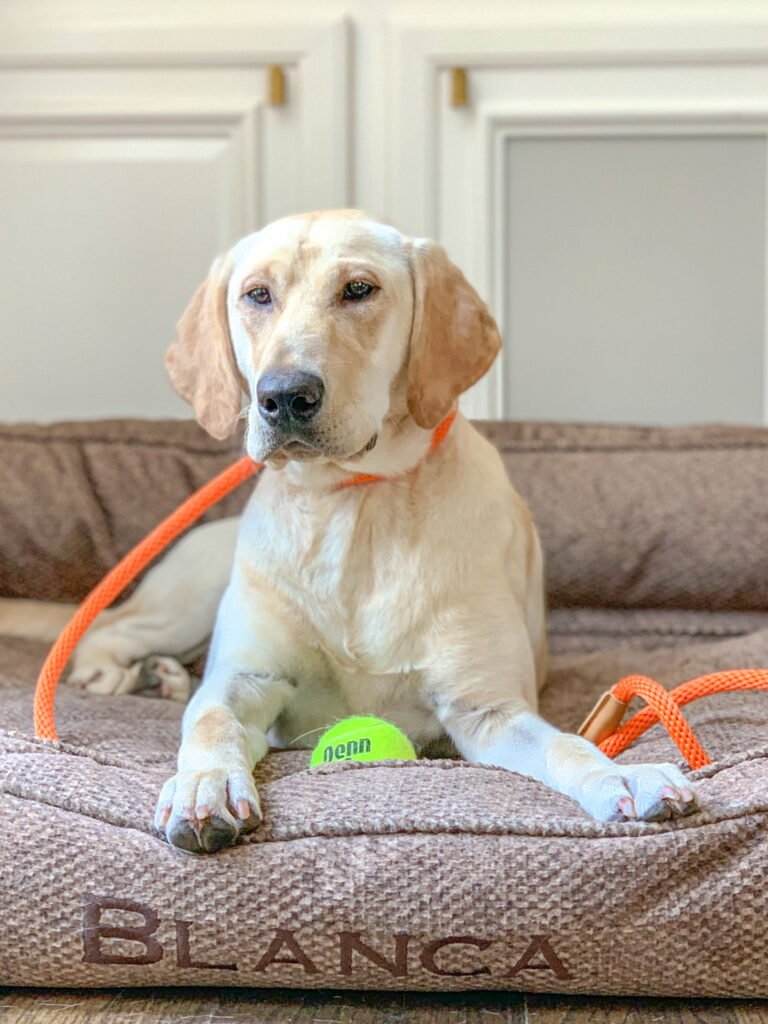
Crate Training in Houston for Puppies and Adult Dogs
A crate works best when a dog actually feels good about being in it, not just tolerates it. Good Daweg offers crate training in Houston for puppies and adult dogs, since the starting point and the pace look different for each. A puppy usually needs a routine built around naps, meals and frequent bathroom breaks. An adult dog may have no crate history at all, or an uncomfortable one from before, and needs a different kind of introduction.
Whether you need help with overnight settling or preparing for travel, request a crate-training consultation to discuss your dog's routine and a suitable training format.
Crate Familiarity and Time Alone: Different Training Goals
In shortGoing in willingly and staying calm alone are separate skills, and a crate doesn't treat separation anxiety.
Walking into a crate willingly and staying calm alone in it are two separate skills. A dog can settle in a crate happily while you're home and still struggle once the house goes quiet. Notice exactly where the difficulty starts: at the crate door, when it closes, when you leave the room, or only once you leave the house. That detail changes what the training should focus on.
Whining alone doesn't tell you why a dog is struggling. A bathroom need, discomfort and fear require different responses. Don't keep a dog confined through frantic escape attempts or injury. Speak with your veterinarian about severe distress; a crate is not a treatment for separation anxiety. Our behavior modification and confidence building pages explain related training concerns without treating them as a diagnosis.
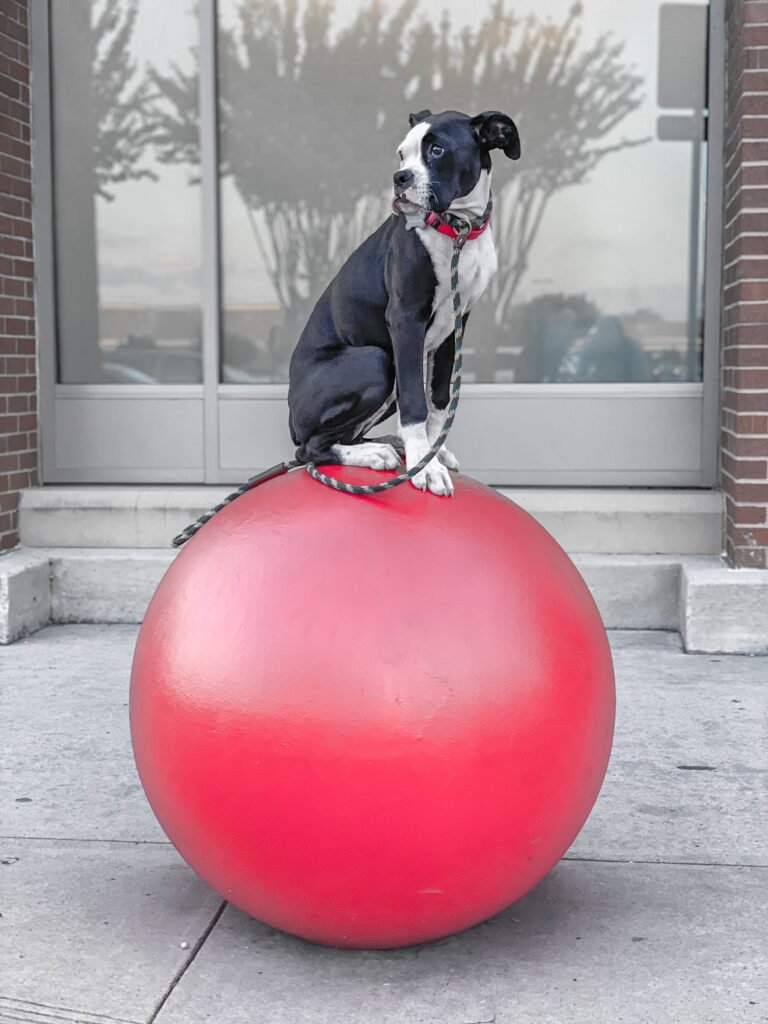
Puppy Crate Routines and Adult-Dog Adjustments
In shortPuppies need short stays around naps and meals; adult dogs start with the door left open.
A puppy's crate routine, as VCA's crate-training guidance describes, is built around naps, meals and frequent trips outside, since a young bladder can't hold a long stretch yet. Short crate stays placed around those natural rest points give a puppy a chance to succeed, rather than one long stint that outlasts what they can handle.
Adult dogs need a different starting point. VCA's guidance describes leaving the crate door open at first, with meals or a favorite chew placed inside, so the dog chooses to go in before ever being shut inside. That slower, dog-led introduction matters more with an adult dog than a set number of days.
Crate training also overlaps with potty training, since a crate used well supports a dog's instinct not to soil the space where they rest. They stay separate skills, though: a dog can walk into a crate willingly and still need help with house training, and a house-trained dog can still need an introduction to resting in a crate.
Discussing Your Dog’s Crate Setup
In shortCrate size, type, placement and daily use all affect whether your dog settles.
Size and placement both affect whether a dog settles. VCA's guidance recommends a crate large enough for the dog to stand up, turn around and lie down, sized to the dog rather than the room. Too small is uncomfortable no matter how good the training is; too large can undercut a puppy's incentive to keep the space clean.
Placement matters too. A quiet corner suits a dog who needs a break from foot traffic. A spot in a room where the family spends time can help a dog feel included rather than set apart, especially early on. Neither is automatically the right answer; it depends on the dog and how the crate gets used.
Bring these details into the conversation before changing anything:
- Current crate size and type. Wire, plastic and soft-sided crates each feel different to a dog, and comfort with one style doesn't always carry over to another.
- Where it sits now. A doorway, a bedroom and a busy living room create different experiences.
- How it's used day to day. Naps only, overnight, or longer stretches alone each call for different preparation.
- Whether your puppy is still growing. A crate that fits well now may need a divider or a larger size down the road, which affects how much space your dog has to work with.
Crate Training for Travel from Houston
In shortBARC advises a carrier in hurricane plans; practice with the carrier you'll actually use.
Crate comfort has a practical use here beyond the daily routine. Houston's BARC Animal Shelter recommends a properly sized carrier for each pet in a hurricane evacuation plan. That makes carrier preparation worth addressing before a storm is approaching. Check your destination's pet requirements as well as the equipment you already own.
A familiar home crate and a travel carrier may feel different to your dog. Practice with the equipment you intend to use, rather than assuming comfort will transfer immediately. Travel plans give the training a purpose, but a departure date doesn't make a dog ready for longer confinement. Arrange appropriate care if the trip comes before your dog is comfortable.
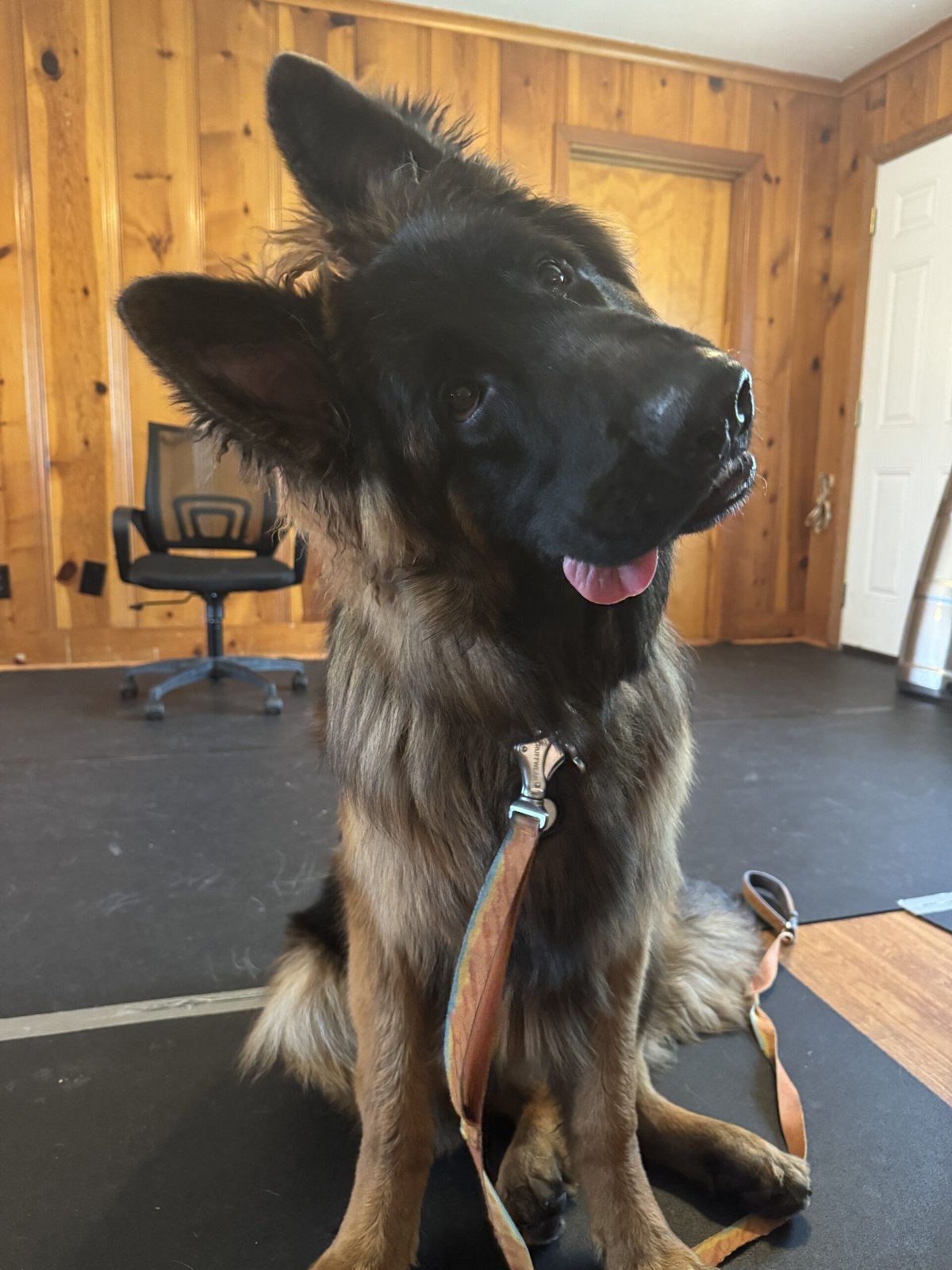
Recognizing Progress with Crate Training
In shortLook for willing entry and quicker settling, not just a quiet crate, and keep one shared routine.
Expect the early part of this to be uneven, and know what real progress looks like so a quiet crate doesn't get mistaken for a settled dog. Watch the separate pieces of the routine instead of judging everything by the longest stretch the door has stayed closed. Does your dog walk toward the crate on their own? Does settling take less time once they're inside? Does someone walking past stop causing a reaction?
Notice how your dog behaves before, during and after a stay. Willing entry followed by relaxed resting is more useful information than silence alone. Avoiding the crate afterward is a reason to reassess the exercise, not evidence that your dog needs a longer stay. Record what happened and discuss it at your next lesson.
Agree on the routine with everyone who cares for your dog: when bathroom breaks happen, how long a comfortable practice stay currently lasts, and which signs mean the exercise needs to stop. Owner coaching helps you carry the same plan into daily life without asking family members to guess what to do.
Crate Training with Good Daweg
In shortWesley Dawe and Anthony Mason fit crate work around your dog's exercise, company and bathroom breaks.
Wesley Dawe founded Good Daweg in 2020 after working with dogs professionally since around 2013. Alongside associate trainer Anthony Mason, he helps owners connect training with everyday routines. For crate work, that means considering both your dog's current comfort and how confinement fits around exercise, company and bathroom breaks.
Our balanced approach combines positive reinforcement with constructive training techniques. Ask what methods and pace we'd use with your dog before deciding if the approach feels right for you.
Private Lessons, Board & Train, and Owner Coaching
Private lessons let you work directly with a trainer while learning how to keep the routine going at home. Individual lessons and packages of 5, 8 or 12 are available, with guidance for practicing between visits.
Board & Train programs include a stay in a home environment with daily training. Owner lessons and follow-up vary by package, so ask what's included for your dog specifically rather than assuming crate work is a set feature of every stay. Day training and online dog training are other formats worth discussing if an overnight stay isn't what you want.
Crate Training FAQs
How long does it take to crate train an adult dog?
There's no fixed timeline. It depends on the dog's previous experience with confinement and how comfortable they already are being separated from you. Start with brief, easy stretches and build up gradually rather than testing a full day early on. We'll ask what your dog does near and inside the crate, and what you actually need it for, before discussing a routine that fits.
What are common crate-training mistakes?
Common mistakes include extending stays before shorter ones are comfortable, using the crate as punishment, and overlooking bathroom needs. A crate should fit your dog and be introduced gradually. Keeping the equipment in a busy spot may also make resting harder. Review the routine and placement before deciding that a different crate will solve the problem.
Should I ignore a puppy crying in the crate?
Not automatically. Check for a need to go outside, discomfort or genuine distress before assuming a cry is just protest. Brief fussing that settles on its own is common early on. Panic, attempts to escape, or crying that keeps escalating instead of easing is a different situation and worth stopping to address individually. Tell us when the crying starts and what happens right before it so we can talk through next steps.
Let’s Talk About Crate Training
You don't need a finished routine or the right crate picked out before reaching out. Tell us about your dog, what's working, and what you'd like to see change, and we can talk through where to start.
We serve Houston, The Heights, The Woodlands, Katy and Spring. Call (281) 900-2572 or contact Good Daweg to set up a consultation.